
What Affects the Cost of a Basement Renovation?
Basement renovations can add meaningful living space to a home, but they are also one of the easiest projects to misjudge from a cost standpoint.
On the surface, a basement may seem like a blank canvas. In practice, it often involves a wide range of decisions around layout, moisture control, insulation, ceiling height, mechanical access, lighting, flooring, storage, and long-term use. That is why basement renovation costs can vary so much from one project to the next.
The most useful way to think about basement renovation cost is not as a flat price per square foot. It is better understood as the result of scope, existing conditions, intended use, finish level, and the amount of planning done before work begins.
On the surface, a basement may seem like a blank canvas. In practice, it often involves a wide range of decisions around layout, moisture control, insulation, ceiling height, mechanical access, lighting, flooring, storage, and long-term use. That is why basement renovation costs can vary so much from one project to the next.
The most useful way to think about basement renovation cost is not as a flat price per square foot. It is better understood as the result of scope, existing conditions, intended use, finish level, and the amount of planning done before work begins.
Why Basement Renovation Costs Can Vary So Much
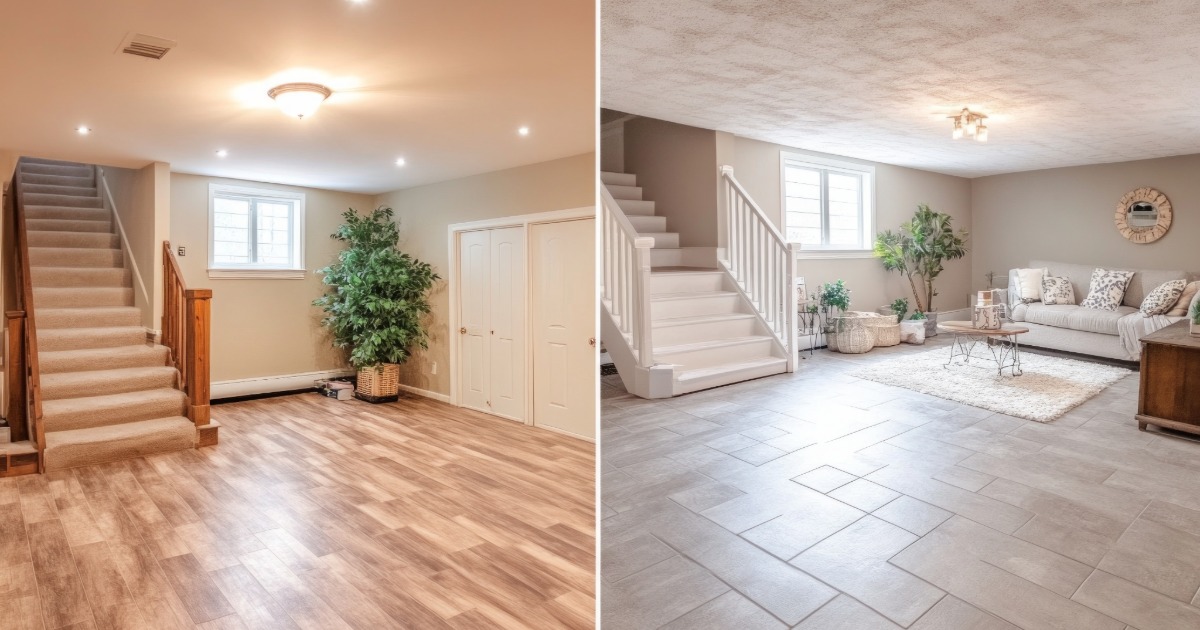
Two basements of similar size can fall into very different budget ranges.
That is because cost is shaped by more than the amount of square footage being finished. A basic open recreation area with flooring, lighting, and painted walls is different from a basement that includes a bathroom, guest room, custom bar, built-in storage, home office, or entertainment zone.
The intended use of the basement matters as well. Some homeowners want a flexible extension of the main living space. Others want highly defined rooms with specific functions. The more the basement renovation asks the space to do, the more complexity the project usually involves.
That is because cost is shaped by more than the amount of square footage being finished. A basic open recreation area with flooring, lighting, and painted walls is different from a basement that includes a bathroom, guest room, custom bar, built-in storage, home office, or entertainment zone.
The intended use of the basement matters as well. Some homeowners want a flexible extension of the main living space. Others want highly defined rooms with specific functions. The more the basement renovation asks the space to do, the more complexity the project usually involves.
Scope Has a Major Influence on Cost
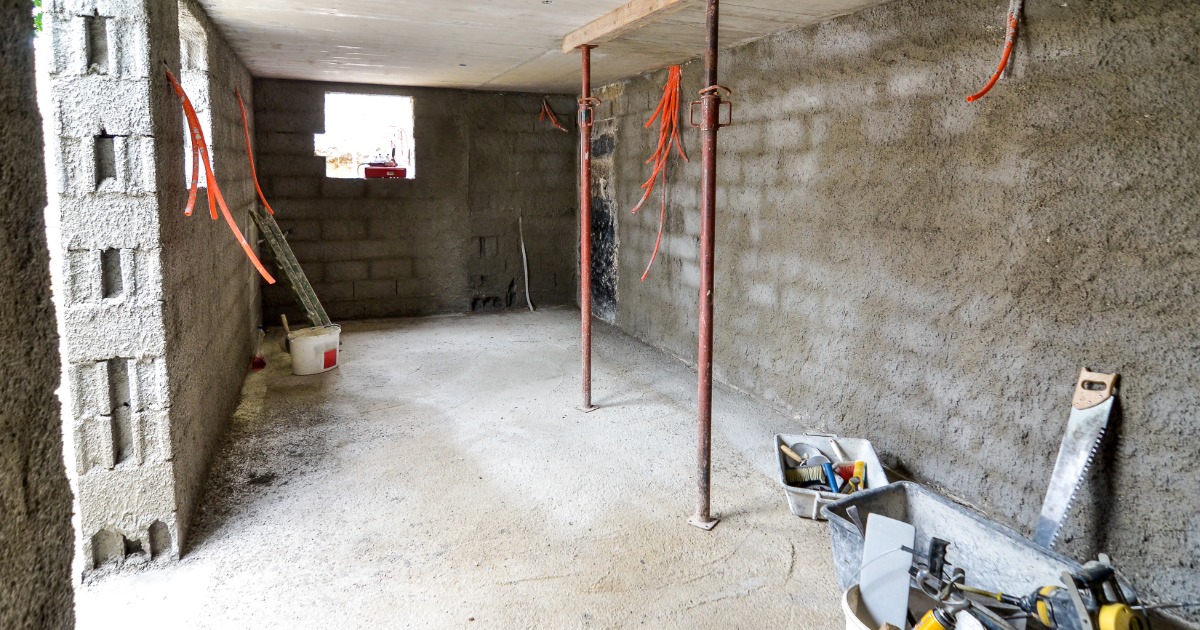
One of the largest cost drivers in a basement renovation is scope.
Some projects focus on finishing the existing space in a straightforward way. Others involve building out multiple rooms, adding plumbing, improving access, adjusting ceiling details, or creating highly customized areas. As scope expands, so does the number of trades, materials, and planning decisions involved.
In general, basement renovation scope often falls into a few broad categories:
Some projects focus on finishing the existing space in a straightforward way. Others involve building out multiple rooms, adding plumbing, improving access, adjusting ceiling details, or creating highly customized areas. As scope expands, so does the number of trades, materials, and planning decisions involved.
In general, basement renovation scope often falls into a few broad categories:
Basic Basement Finishing
These projects typically focus on making the space more usable and comfortable. Examples may include:
- Framing and drywall
- Ceiling finishing
- Recessed lighting
- Durable flooring
- Trim and paint
- Basic open living area layout
This type of project can add meaningful functionality without introducing as much complexity as a full lower-level buildout.
Partial Basement Renovations
These projects often combine general finishing with one or two more specialized additions. Examples may include:
- Adding a small office or guest area
- Creating a media or play space
- Improving storage areas
- Upgrading lighting and electrical distribution
- Adding built-ins or a small bar area
- Including limited plumbing work
This range is common when homeowners want the basement to feel more integrated into the rest of the home.
Full Basement Renovations
- Defined rooms or zones
- Bathroom addition
- Wet bar or kitchenette area
- Home gym, theater, or office
- Guest suite considerations
- Egress-related updates
- Mechanical concealment strategies
- Expanded electrical and lighting design
- Higher-end finish work throughout
These projects require more coordination and planning, but they also create the greatest opportunity to turn an underused area into a fully functional part of the home.
Intended Use Shapes the Budget
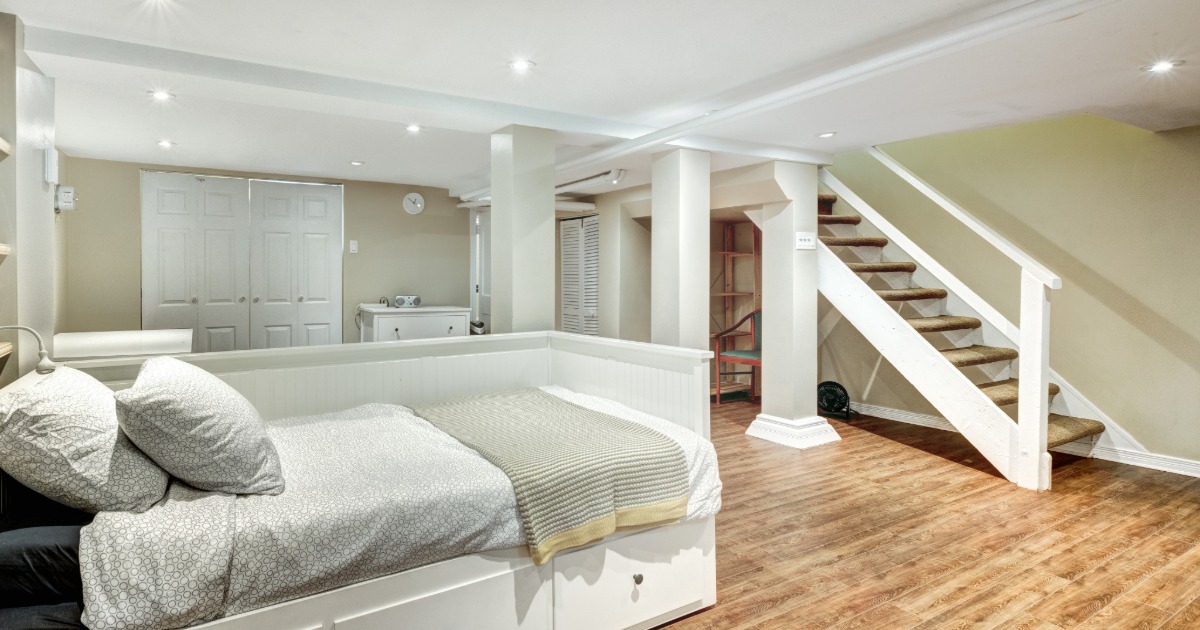
A basement renovation budget is often shaped by what the homeowner wants the space to become.
A general-purpose family room will typically have a different scope than a home theater, gym, office, guest suite, or entertainment area. The function of the space influences layout, lighting, sound control, storage, electrical needs, and the level of finish required.
For example, a basement intended for movie nights or entertaining may need more intentional lighting, built-in features, and finish details. A basement meant for guests may require a bathroom, better privacy, or egress-related planning. A work-from-home setup may prioritize lighting, acoustics, and room separation.
This is one reason planning matters so much. A basement renovation tends to work best when the end use is clearly defined before design and construction decisions begin.
A general-purpose family room will typically have a different scope than a home theater, gym, office, guest suite, or entertainment area. The function of the space influences layout, lighting, sound control, storage, electrical needs, and the level of finish required.
For example, a basement intended for movie nights or entertaining may need more intentional lighting, built-in features, and finish details. A basement meant for guests may require a bathroom, better privacy, or egress-related planning. A work-from-home setup may prioritize lighting, acoustics, and room separation.
This is one reason planning matters so much. A basement renovation tends to work best when the end use is clearly defined before design and construction decisions begin.
Existing Conditions Can Affect Cost More Than Homeowners Expect
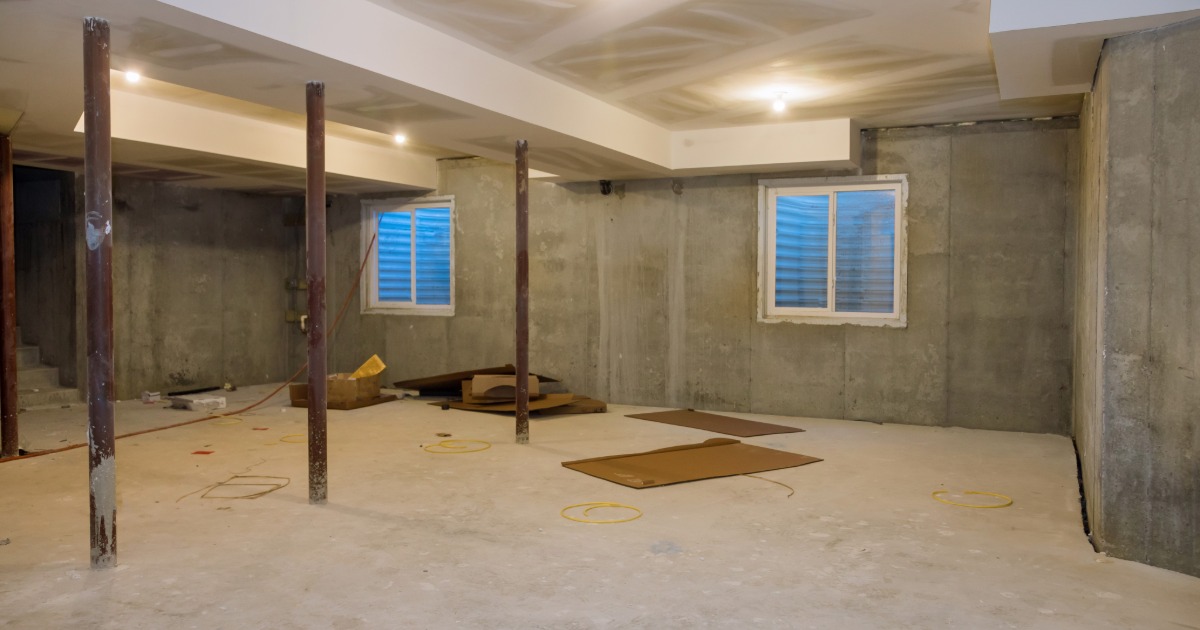
Basements often come with conditions that directly influence renovation cost. These may include moisture concerns, uneven concrete floors, low ceiling areas, bulkheads or dropped soffits, obtrusive ductwork or utility runs, limited natural light, older wiring or plumbing, or inconsistent insulation.
Unlike some other renovation spaces, the starting condition of a basement can have a major effect on what is realistic, what is advisable, and how much work is needed before finishes can even begin.
Some basements are relatively straightforward to finish. Others require more preparation and problem-solving to create a space that feels comfortable, durable, and appropriate for daily use.
Unlike some other renovation spaces, the starting condition of a basement can have a major effect on what is realistic, what is advisable, and how much work is needed before finishes can even begin.
Some basements are relatively straightforward to finish. Others require more preparation and problem-solving to create a space that feels comfortable, durable, and appropriate for daily use.
Moisture, Insulation, and Durability Should Be Planned Early
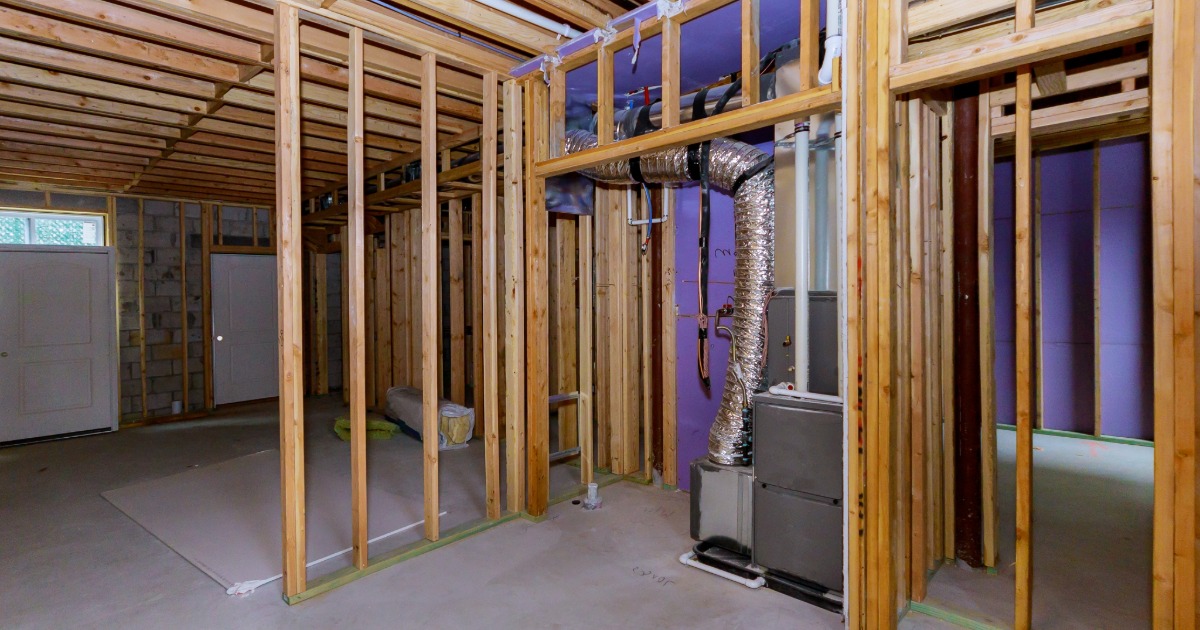
Because basements sit below grade, they come with construction considerations that are different from above-ground rooms.
Moisture management, insulation strategy, material durability, and environmental comfort all matter. The finishes selected for a basement should not only look good, but also make sense for the conditions of the space.
That may influence decisions around flooring type, wall systems, base trim details, storage materials, ceiling choices, paint and finish selections.
A basement renovation is usually more successful when these decisions are made with long-term performance in mind, not just immediate appearance.
Moisture management, insulation strategy, material durability, and environmental comfort all matter. The finishes selected for a basement should not only look good, but also make sense for the conditions of the space.
That may influence decisions around flooring type, wall systems, base trim details, storage materials, ceiling choices, paint and finish selections.
A basement renovation is usually more successful when these decisions are made with long-term performance in mind, not just immediate appearance.
Adding a Bathroom or Specialty Features Increases Complexity
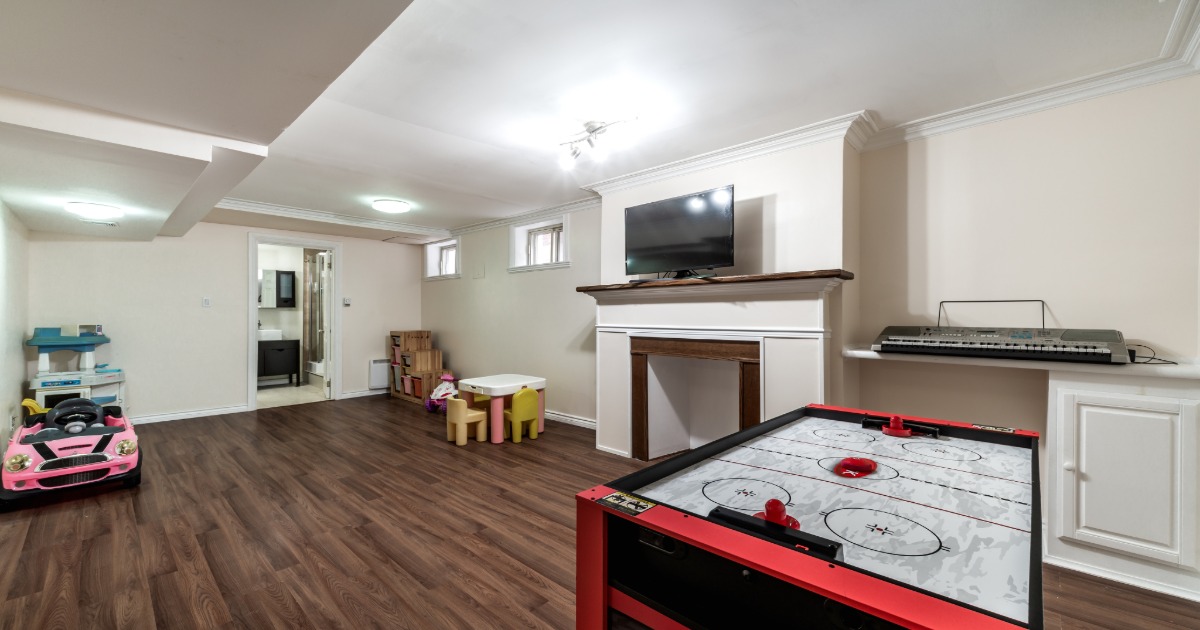
Specialty additions can significantly change the budget and complexity of a basement renovation.
A bathroom, for example, often introduces plumbing, ventilation, fixtures, tile work, waterproofing, and layout considerations that go far beyond general finishing. Similarly, a wet bar, custom entertainment wall, home gym area, or built-in storage package can increase both labor and material demands.
These features are not inherently excessive. In many cases, they add real value and improve how the basement functions. The key is understanding which features are essential to the project goals and which ones are optional enhancements.
When these elements are planned early, homeowners can make better decisions about where to invest and where to simplify.
A bathroom, for example, often introduces plumbing, ventilation, fixtures, tile work, waterproofing, and layout considerations that go far beyond general finishing. Similarly, a wet bar, custom entertainment wall, home gym area, or built-in storage package can increase both labor and material demands.
These features are not inherently excessive. In many cases, they add real value and improve how the basement functions. The key is understanding which features are essential to the project goals and which ones are optional enhancements.
When these elements are planned early, homeowners can make better decisions about where to invest and where to simplify.
Ceiling Design, Lighting, and Mechanical Coordination Matter
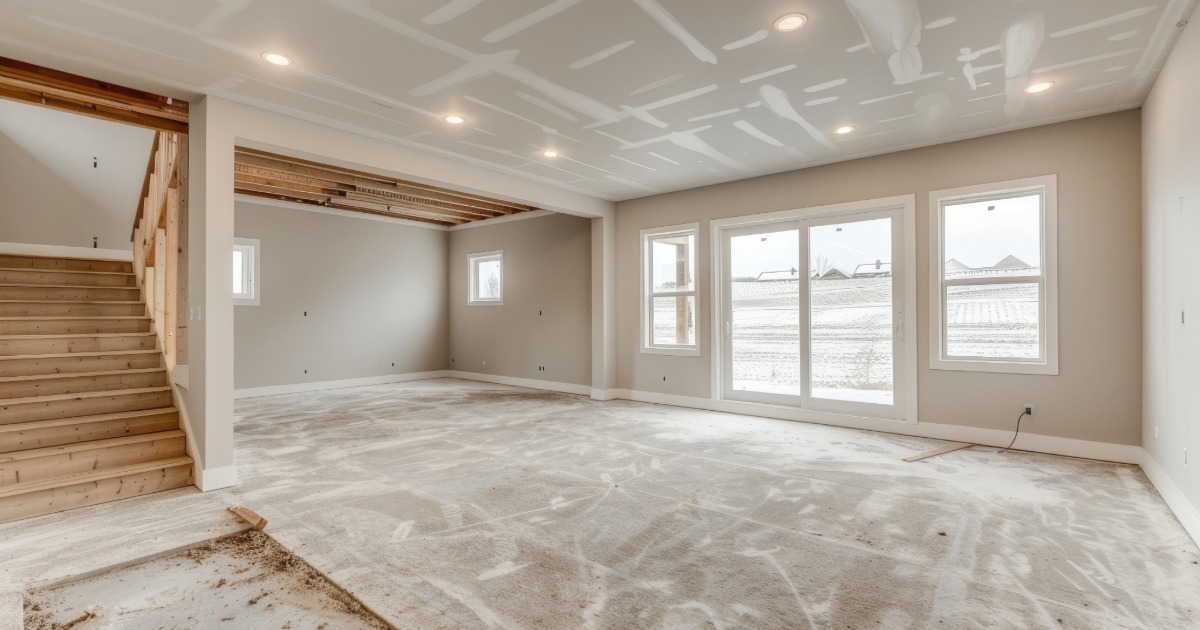
One of the most underestimated parts of a basement renovation is how much the ceiling influences both design and cost.
Basements often have exposed ductwork, pipes, beams, and utility lines that need to remain accessible or be worked around thoughtfully. This affects ceiling height, room layout, lighting placement, and the overall finished feel of the space.
Lighting also plays a major role in how the basement functions. Because natural light is often limited, the artificial lighting plan matters more than many homeowners expect. Recessed lighting, sconces, under-shelf lighting, task lighting, and dimming strategies can all affect the final experience of the room.
When ceiling design and mechanical coordination are considered early, the space tends to feel far more intentional and comfortable.
Basements often have exposed ductwork, pipes, beams, and utility lines that need to remain accessible or be worked around thoughtfully. This affects ceiling height, room layout, lighting placement, and the overall finished feel of the space.
Lighting also plays a major role in how the basement functions. Because natural light is often limited, the artificial lighting plan matters more than many homeowners expect. Recessed lighting, sconces, under-shelf lighting, task lighting, and dimming strategies can all affect the final experience of the room.
When ceiling design and mechanical coordination are considered early, the space tends to feel far more intentional and comfortable.
Material Selections Affect Both Budget and Long-Term Performance

Material choices are a major cost factor in any renovation, but in basements, they also need to perform well over time.
Flooring is a good example. Homeowners may be choosing between carpet, luxury vinyl plank, engineered flooring, tile, or other options depending on comfort, durability, and moisture considerations. Each choice affects not only material cost, but also installation and long-term suitability.
The same applies to built-ins and storage features, trim packages, doors and hardware, paint finishes, wall treatments, bar or bathroom finishes, and ceiling materials.
It is not necessary to choose premium materials in every category. What matters is selecting finishes intentionally and making sure they support how the basement will actually be used.
Flooring is a good example. Homeowners may be choosing between carpet, luxury vinyl plank, engineered flooring, tile, or other options depending on comfort, durability, and moisture considerations. Each choice affects not only material cost, but also installation and long-term suitability.
The same applies to built-ins and storage features, trim packages, doors and hardware, paint finishes, wall treatments, bar or bathroom finishes, and ceiling materials.
It is not necessary to choose premium materials in every category. What matters is selecting finishes intentionally and making sure they support how the basement will actually be used.
Labor and Coordination Are a Meaningful Part of the Investment

Basement renovations often involve more coordination than homeowners initially expect.
Depending on scope, the project may require framing, insulation, electrical, plumbing, drywall, flooring, painting, trim, built-ins, tile work, and finish carpentry. These trades must be sequenced correctly, especially when the project includes bathrooms, bars, offices, or other defined rooms.
The basement may also need to stay connected to important home systems during construction, which can add another layer of coordination.
A clear scope, aligned selections, and early planning help reduce avoidable disruptions and make the construction process more predictable.
Depending on scope, the project may require framing, insulation, electrical, plumbing, drywall, flooring, painting, trim, built-ins, tile work, and finish carpentry. These trades must be sequenced correctly, especially when the project includes bathrooms, bars, offices, or other defined rooms.
The basement may also need to stay connected to important home systems during construction, which can add another layer of coordination.
A clear scope, aligned selections, and early planning help reduce avoidable disruptions and make the construction process more predictable.
A Better Way to Approach Basement Renovation Budgeting
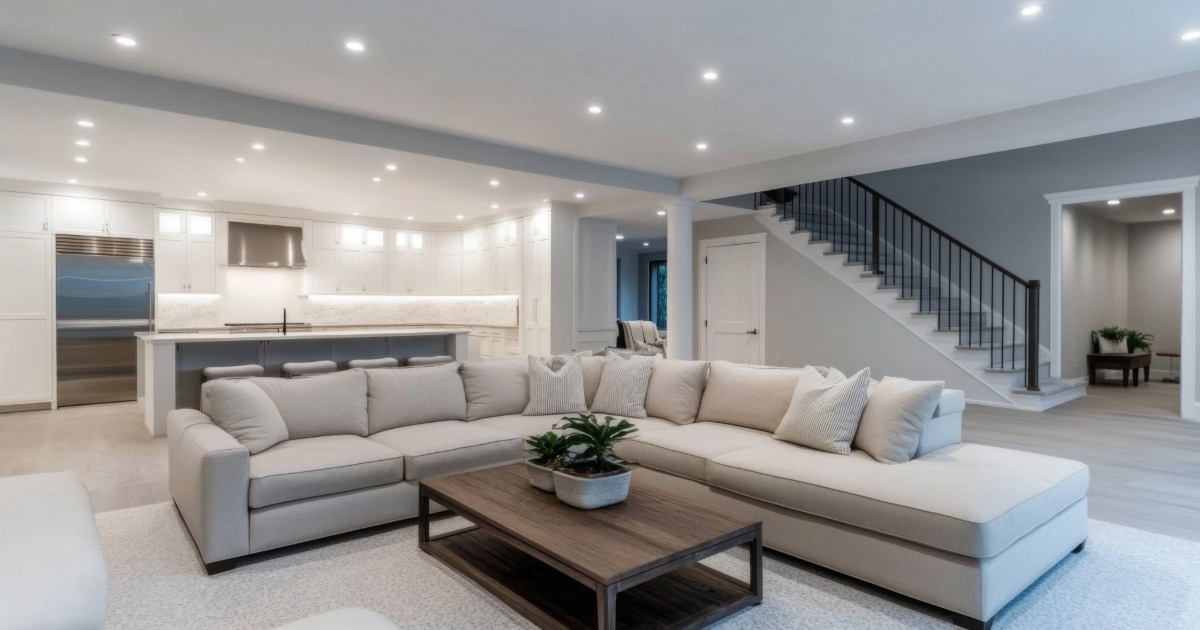
The best way to approach basement renovation cost is not to rely on rough averages alone.
A more useful approach is to define the purpose of the space, understand the existing conditions, identify likely scope drivers, and make important planning decisions before construction begins. That gives homeowners a clearer picture of what the project requires and where budget priorities should go.
A basement renovation is not simply about finishing unused square footage. It is about turning a lower-level area into a functional, durable part of the home that supports the way the household lives. When that work is planned carefully, the result is usually more practical, more comfortable, and more predictable.
A more useful approach is to define the purpose of the space, understand the existing conditions, identify likely scope drivers, and make important planning decisions before construction begins. That gives homeowners a clearer picture of what the project requires and where budget priorities should go.
A basement renovation is not simply about finishing unused square footage. It is about turning a lower-level area into a functional, durable part of the home that supports the way the household lives. When that work is planned carefully, the result is usually more practical, more comfortable, and more predictable.