
Planning & Pricing
Structured pricing and careful planning.
Every renovation is different, which means pricing is shaped by more than square footage or finishes alone.
The goal of this page is not to offer rushed numbers before the work is understood. It is to explain what influences renovation cost, what decisions matter most early on, and why thoughtful planning leads to clearer expectations.
Whether you are considering a bathroom renovation, kitchen remodel, or a broader interior update, a realistic budget begins with scope, selections, and existing conditions, not guesswork.
The goal of this page is not to offer rushed numbers before the work is understood. It is to explain what influences renovation cost, what decisions matter most early on, and why thoughtful planning leads to clearer expectations.
Whether you are considering a bathroom renovation, kitchen remodel, or a broader interior update, a realistic budget begins with scope, selections, and existing conditions, not guesswork.
Why Renovation Costs Vary
Renovation pricing is influenced by a combination of visible selections and behind-the-scenes requirements.
Two projects can appear similar at first glance and still land in very different budget ranges once scope and conditions are fully understood.
How We Approach Budget Planning
A useful renovation budget comes from defining the project clearly before construction begins. That includes understanding:
Function
What needs to change functionally.
Finish
What level of finish you are aiming for.
Scope
What should remain in place.
Conditions
What conditions may already exist.
As those decisions become clearer, pricing becomes more reliable. That is one of the main reasons planning matters so much. It helps create a more realistic picture of the investment before the work is underway. This matches Renovation Navigator’s planning-first positioning, where clarity, scope definition, and predictability are central to the homeowner experience.
Planning Before Construction Begins
Many renovation surprises happen when important decisions are delayed.
Layout adjustments, material selections, fixture choices, finish details, and installation requirements all influence both budget and schedule. When those decisions are made early, the project tends to move more predictably. When they are still being worked out during construction, costs and timelines can become harder to manage.
Planning does not remove every variable, but it creates far better visibility before work begins and helps reduce avoidable disruption later.
Layout adjustments, material selections, fixture choices, finish details, and installation requirements all influence both budget and schedule. When those decisions are made early, the project tends to move more predictably. When they are still being worked out during construction, costs and timelines can become harder to manage.
Planning does not remove every variable, but it creates far better visibility before work begins and helps reduce avoidable disruption later.
Typical Investment Ranges
These are broad planning ranges only. They are not quotes, and final pricing depends on scope, material selections, and existing conditions.
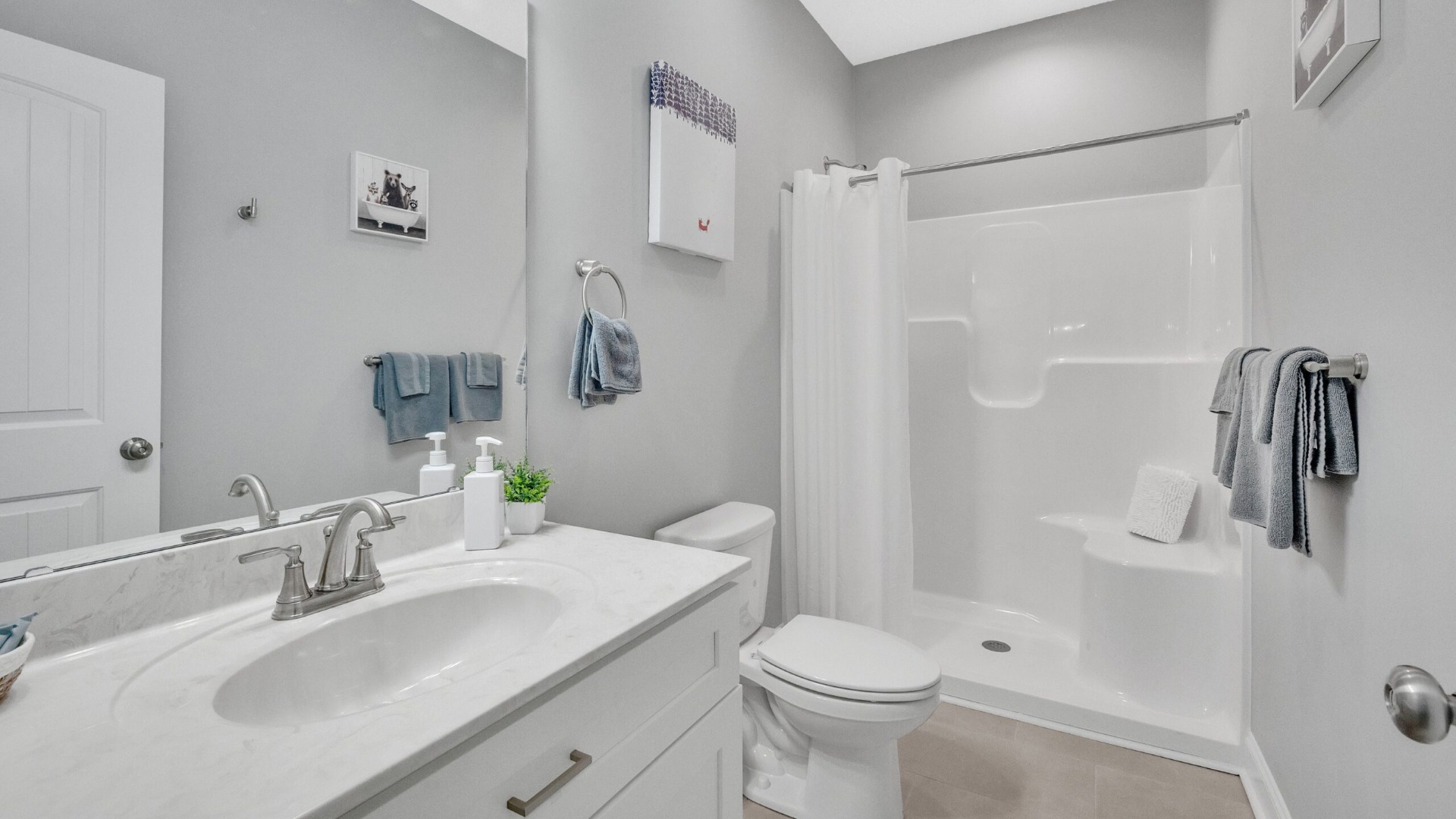
Shower-Focused Bathroom Renovation
Typical Range:
$
10,000 – $25,000
Often centered on replacing an existing shower or tub-shower area with updated waterproofing, tile, fixtures, and glass.
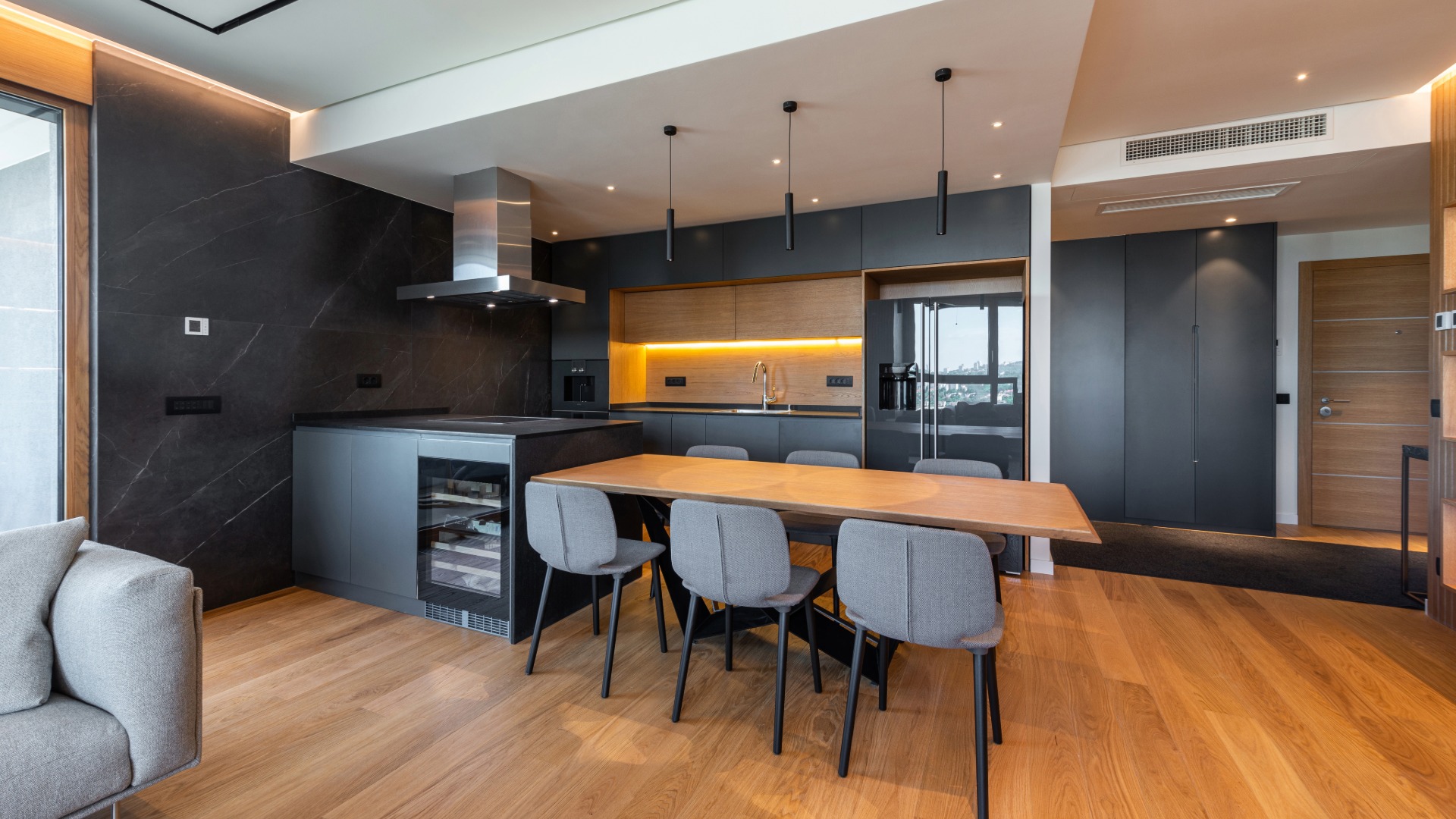
Kitchen Renovation
Typical Range:
$
30,000 – $100,000
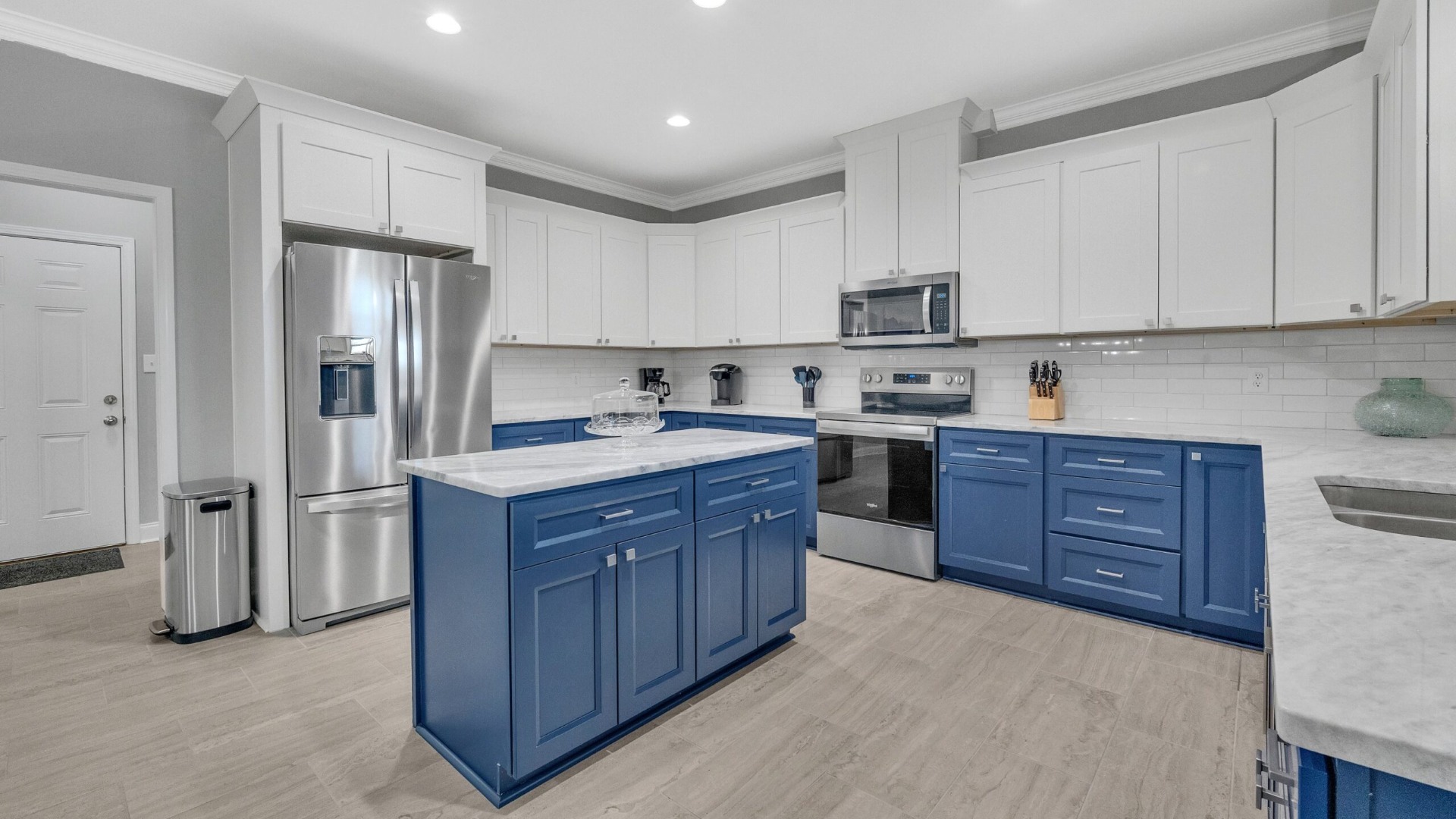
Kitchen budgets are often shaped by cabinetry, countertops, appliance level, flooring, electrical and plumbing scope, and whether the layout remains in place or changes.
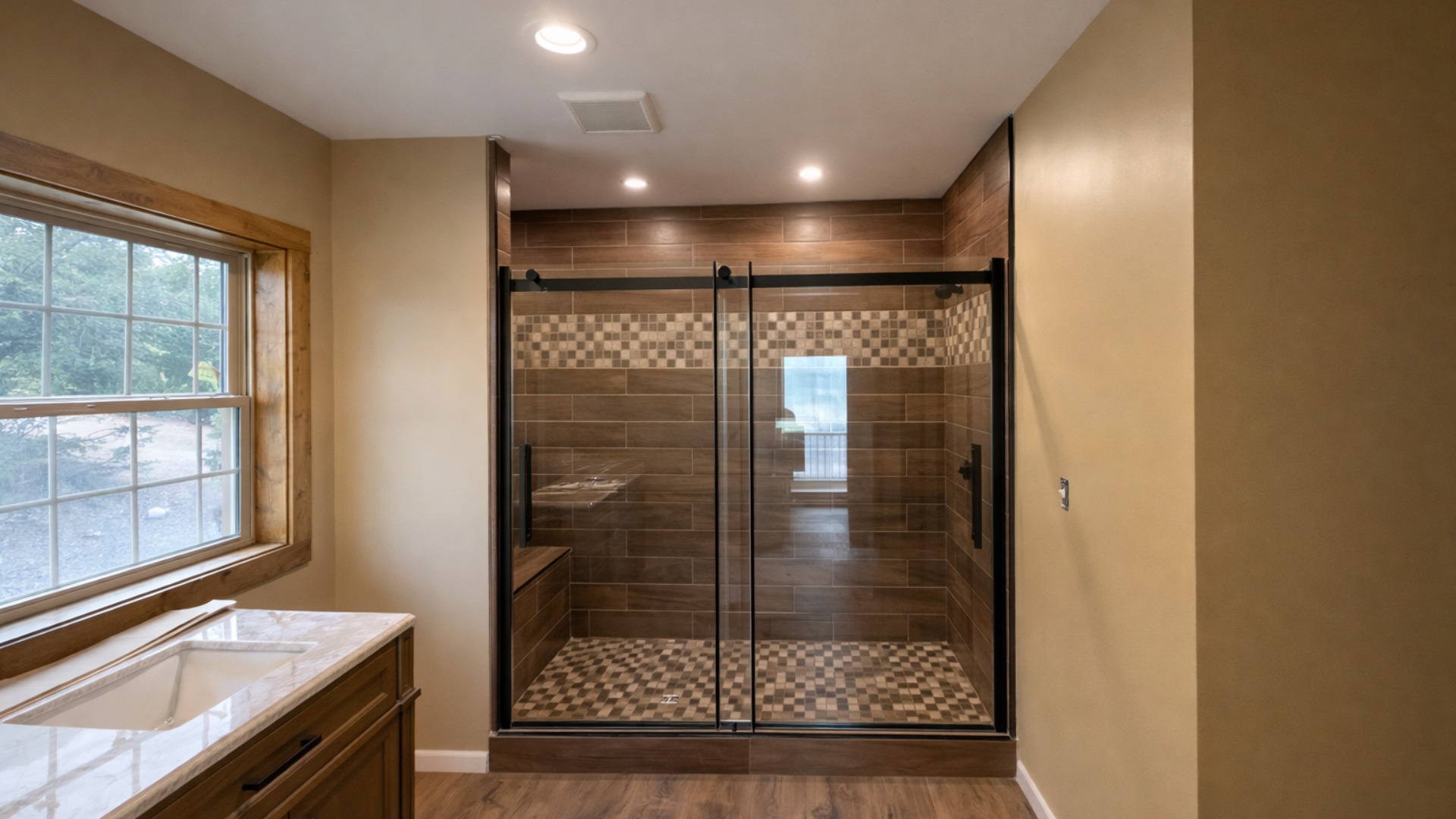
Custom Bathroom Renovation
Typical Range:
$
25,000 – $50,000
Often includes a larger custom shower, more detailed tile work, upgraded finishes, built-in storage features, and broader updates across the room.
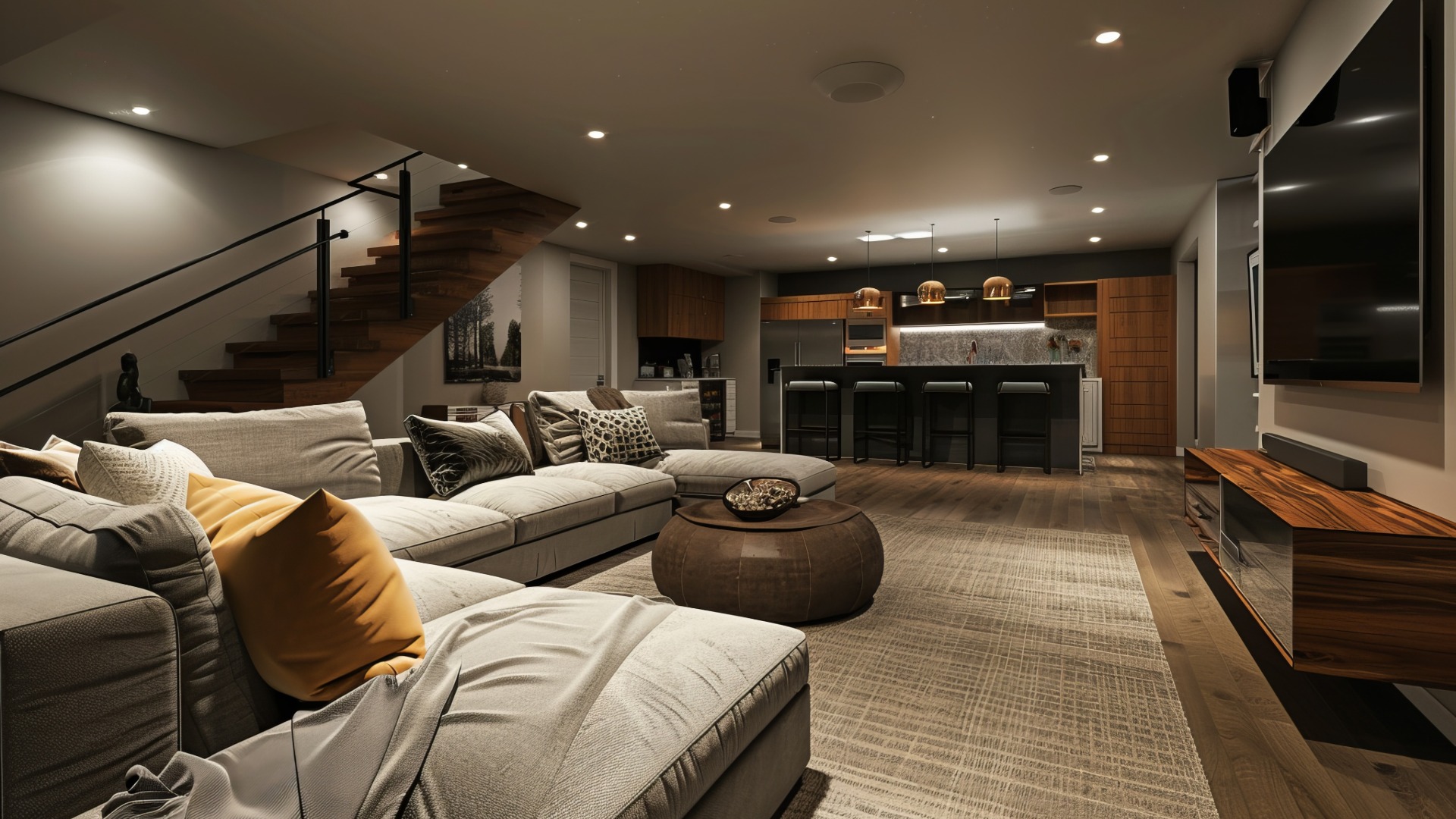
Interior Living Space Renovation
Typical Range:
$
20,000 – $50,000
May include flooring, fireplace updates, trim work, lighting, wall treatments, and other improvements that reshape the feel and function of a room.
Cost Considerations
Every renovation budget is shaped by a mix of scope, selections, and existing conditions. The categories below are some of the most common factors that influence cost.
Scope of Work
A focused update and a full renovation are not priced the same way. A project that keeps the existing layout and concentrates on finishes will typically be more straightforward than one that moves plumbing, changes walls, adds storage, or reworks how the room functions.
Material Selections
Materials affect both the appearance of the finished space and the labor required to install them. Examples include but are not limited to tile type, countertop material, cabinet construction and finish, plumbing fixtures, flooring material, glass enclosures and specialty details.
Existing Conditions
What is found once a space is opened up can affect the final scope.
Moisture damage, framing correction, aging plumbing, electrical updates, and subfloor issues are not visible in every project, but they are part of why early ballpark figures should always be treated as planning ranges rather than fixed numbers.
Moisture damage, framing correction, aging plumbing, electrical updates, and subfloor issues are not visible in every project, but they are part of why early ballpark figures should always be treated as planning ranges rather than fixed numbers.
Layout and Utility Changes
Moving plumbing, changing appliance locations, adding lighting, or reworking electrical service can have a significant effect on budget.
Projects that keep key systems in roughly the same place are often more efficient than those that require extensive rerouting or trade coordination.
Projects that keep key systems in roughly the same place are often more efficient than those that require extensive rerouting or trade coordination.
Labor Complexity
Some projects are simply more demanding to execute. Tight access, occupied homes, large-format materials, unusual layouts, and the coordination of multiple trades all affect how labor is scheduled and priced.
Custom Features
Built-in benches, shower niches, long countertop runs, glass-front cabinetry, feature walls, specialty storage, and custom trim details all add character and function, but they also add fabrication and installation cost.
Lead Times and Scheduling
Timing is influenced not only by installation, but also by fabrication, product availability, design decisions, and overall coordination. The more decisions that are made early, the easier it becomes to establish a realistic construction schedule.
Finish Level
Two projects with similar square footage can still land in very different budget ranges depending on the level of finish. A practical renovation and a more custom, design-driven renovation may serve the same room, but the materials, detailing, and labor intensity can differ substantially.
Material and Product Considerations
The examples below are not fixed allowances, but they help illustrate why costs vary from one project to another.

Tile
Porcelain and ceramic tile may range broadly from around $3 to $15+ per square foot, with decorative mosaics and specialty finishes increasing cost. Installation complexity matters too. A simple stacked layout behaves differently than a niche, accent band.
Countertops
Quartz, granite, and quartzite often range from about $70 to $180+ per square foot installed, depending on the material, slab availability, thickness, edge profile, cutouts, and fabrication complexity.
Cabinetry
Cabinet costs can vary significantly based on size, finish, construction quality, and customization. In many kitchen projects, cabinetry is one of the largest budget drivers and may range from roughly $15,000 to $40,000+ depending on scope and level.
Shower Glass
Glass enclosures can vary by size, style, hardware, and whether the system is framed, semi-frameless, or custom. Many installations fall somewhere around $1,500 to $4,500+.
Flooring
Many engineered wood, luxury vinyl, and similar hard-surface flooring products may range from about $4 to $15+ per square foot before labor, with premium materials and more complex installation increasing cost.

Explore Our Recent Projects
Ready to Navigate?
If you are planning a renovation and want clearer guidance from the start, we would be glad to begin the conversation. We take a planning-first approach that helps homeowners understand the path forward before construction begins.
Whether you already have a defined project in mind or are still working through options, an early conversation can help bring structure to the process and clarify the next step.