
The Renovation Navigator
What Affects the Cost of a Bathroom Renovation?
What Affects the Cost of a Bathroom Renovation?
Bathroom renovations are one of the most common home improvement projects homeowners consider, but they are also one of the easiest to underestimate.
On the surface, a bathroom may seem like a small space. In reality, it often involves a dense concentration of materials, labor, plumbing, electrical work, waterproofing, finish selections, and planning decisions. That is why bathroom renovation costs can vary so widely from one project to the next.
The most accurate way to understand bathroom renovation cost is not by looking for a universal number. It is by understanding the factors that shape the scope of work, the level of finish, and the conditions behind the walls.
On the surface, a bathroom may seem like a small space. In reality, it often involves a dense concentration of materials, labor, plumbing, electrical work, waterproofing, finish selections, and planning decisions. That is why bathroom renovation costs can vary so widely from one project to the next.
The most accurate way to understand bathroom renovation cost is not by looking for a universal number. It is by understanding the factors that shape the scope of work, the level of finish, and the conditions behind the walls.
Why Bathroom Renovation Costs Can Vary So Much
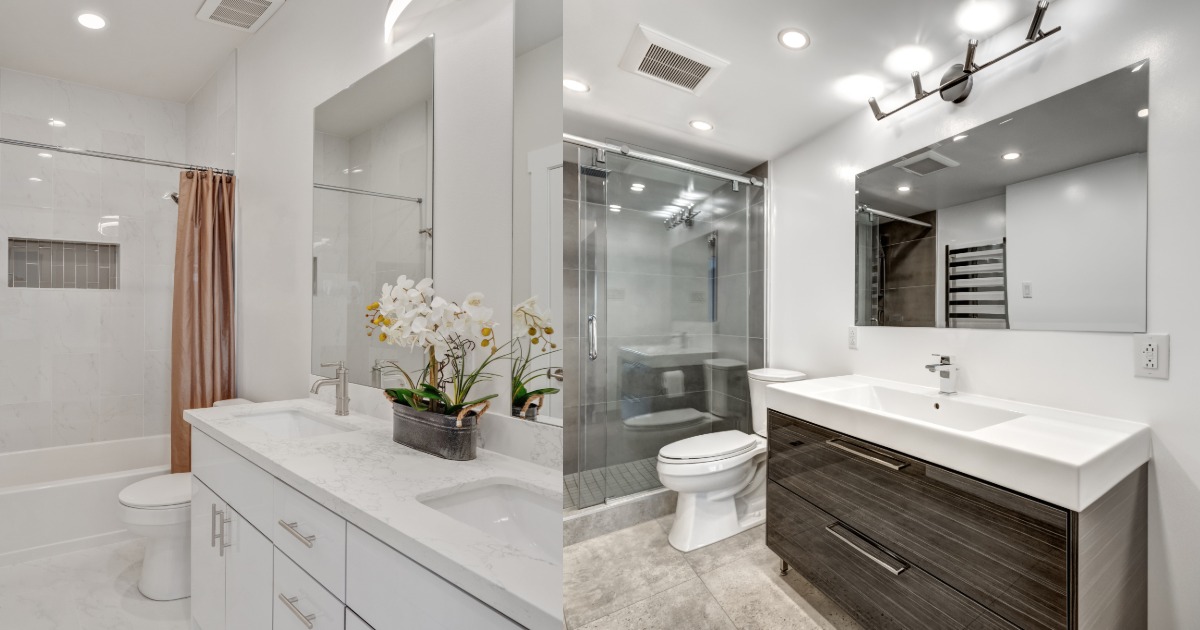
Two bathrooms can be similar in size and still have very different budgets.
That is because cost is shaped less by square footage alone and more by what is being changed, what materials are being selected, and what must be addressed during construction. A cosmetic refresh will carry a very different scope than a full reconfiguration. Likewise, a straightforward hall bath renovation is different from a primary bathroom designed for daily comfort, storage, and long-term use.
This is one reason planning matters so much. Before construction begins, it is important to define what the project is truly meant to accomplish, what needs to stay, what needs to change, and where budget priorities should be placed.
That is because cost is shaped less by square footage alone and more by what is being changed, what materials are being selected, and what must be addressed during construction. A cosmetic refresh will carry a very different scope than a full reconfiguration. Likewise, a straightforward hall bath renovation is different from a primary bathroom designed for daily comfort, storage, and long-term use.
This is one reason planning matters so much. Before construction begins, it is important to define what the project is truly meant to accomplish, what needs to stay, what needs to change, and where budget priorities should be placed.
The Scope of Work Has a Major Impact
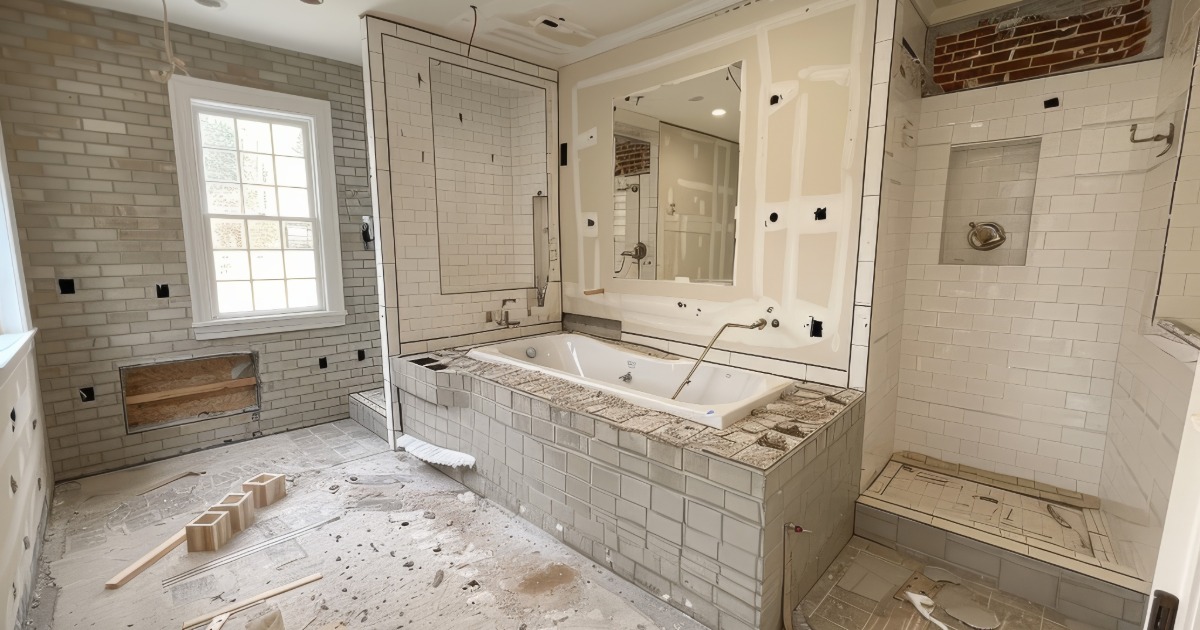
One of the biggest cost drivers in a bathroom renovation is scope.
Some projects are primarily finish-focused. These may include replacing the vanity, updating flooring, installing new lighting, repainting, and swapping out plumbing fixtures while keeping the existing layout in place.
Other projects are more involved. They may include removing a tub and building a custom shower, expanding the footprint, moving plumbing lines, changing electrical placement, replacing insulation or drywall, improving ventilation, or correcting older construction issues discovered during demolition.
The more systems and structural elements involved, the more coordination, labor, and planning the project requires.
In general, scope often falls into a few broad categories:
Some projects are primarily finish-focused. These may include replacing the vanity, updating flooring, installing new lighting, repainting, and swapping out plumbing fixtures while keeping the existing layout in place.
Other projects are more involved. They may include removing a tub and building a custom shower, expanding the footprint, moving plumbing lines, changing electrical placement, replacing insulation or drywall, improving ventilation, or correcting older construction issues discovered during demolition.
The more systems and structural elements involved, the more coordination, labor, and planning the project requires.
In general, scope often falls into a few broad categories:
Cosmetic Updates
These projects typically focus on surface-level improvements. Examples include:
- New paint
- Updated mirror and lighting
- New vanity or countertop
- Flooring replacement
- Fixture replacement without major layout changes
These projects can still create a meaningful visual improvement, but they are generally less complex than a full renovation.
Partial Renovations
These projects often involve a mix of finish upgrades and some functional changes. Examples may include:
- Replacing a tub or shower unit
- Installing new tile
- Updating the vanity and storage
- Replacing older fixtures
- Improving lighting or ventilation
This middle range is where many bathroom projects land, especially when homeowners want both improved appearance and better day-to-day use.
Full Bathroom Renovations
A full renovation often involves taking the room back to the framing or subfloor in key areas and rebuilding it with a new plan. This may include: New layout, new plumbing locations, new electrical locations, full shower or tub replacement. Waterproofing systems, tile throughout, custom glass, new cabinetry or millwork, and accessibility or aging-in-place improvements are factors as well.
These projects require more planning up front, but they also give homeowners the most control over function, flow, and long-term value.
These projects require more planning up front, but they also give homeowners the most control over function, flow, and long-term value.
Material Selections Matter More Than Many Homeowners Expect

Material selection is another major cost driver, especially in bathrooms where almost every visible surface is part of the finished result.
Tile is one of the clearest examples. There can be a large difference between basic ceramic tile and premium natural stone, but the cost question is not just about the tile itself. Tile size, pattern, layout, edge treatment, niche work, waterproofing requirements, and installation complexity also affect labor.
The same principle applies across the room. Vanities range from stock units to custom cabinetry. Countertops may be laminate, quartz, stone, or other premium surfaces. Plumbing fixtures vary widely in both price and installation demands. Shower doors can be standard or custom-fabricated. And lighting may be simple and functional or layered and architectural.
Homeowners do not need to choose the most expensive option in every category to create a refined result. What matters is making intentional selections that align with the project goals and budget priorities.
Tile is one of the clearest examples. There can be a large difference between basic ceramic tile and premium natural stone, but the cost question is not just about the tile itself. Tile size, pattern, layout, edge treatment, niche work, waterproofing requirements, and installation complexity also affect labor.
The same principle applies across the room. Vanities range from stock units to custom cabinetry. Countertops may be laminate, quartz, stone, or other premium surfaces. Plumbing fixtures vary widely in both price and installation demands. Shower doors can be standard or custom-fabricated. And lighting may be simple and functional or layered and architectural.
Homeowners do not need to choose the most expensive option in every category to create a refined result. What matters is making intentional selections that align with the project goals and budget priorities.
Layout Changes Increase Complexity
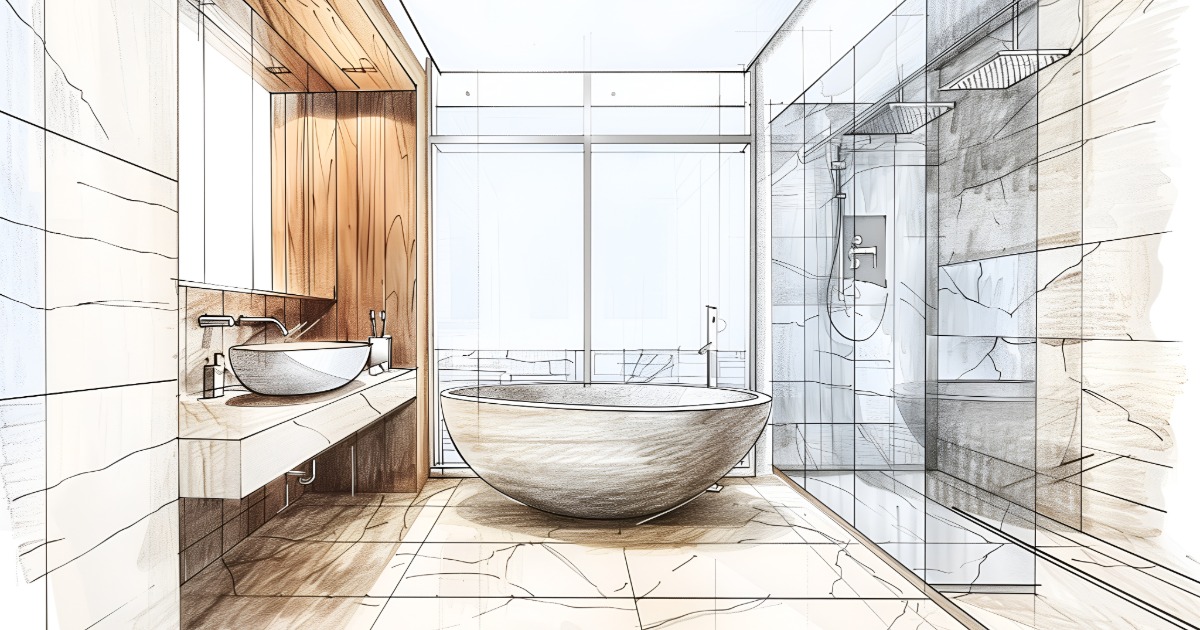
If the existing layout works well, keeping plumbing and electrical in place can help control cost.
Once the layout changes, complexity often rises quickly. Moving a toilet, changing the location of a shower, expanding into adjacent space, or relocating a vanity usually affects plumbing, framing, electrical, flooring transitions, and finish work.
Sometimes these changes are worthwhile because they solve long-term usability issues. Other times, the better decision is to keep the footprint intact and invest the budget in materials, storage, lighting, or a more functional shower design.
This is where early planning is valuable. A well-defined scope helps homeowners understand which changes are likely to deliver the greatest return in comfort, appearance, and daily function.
Once the layout changes, complexity often rises quickly. Moving a toilet, changing the location of a shower, expanding into adjacent space, or relocating a vanity usually affects plumbing, framing, electrical, flooring transitions, and finish work.
Sometimes these changes are worthwhile because they solve long-term usability issues. Other times, the better decision is to keep the footprint intact and invest the budget in materials, storage, lighting, or a more functional shower design.
This is where early planning is valuable. A well-defined scope helps homeowners understand which changes are likely to deliver the greatest return in comfort, appearance, and daily function.
Existing Conditions Can Influence Budget
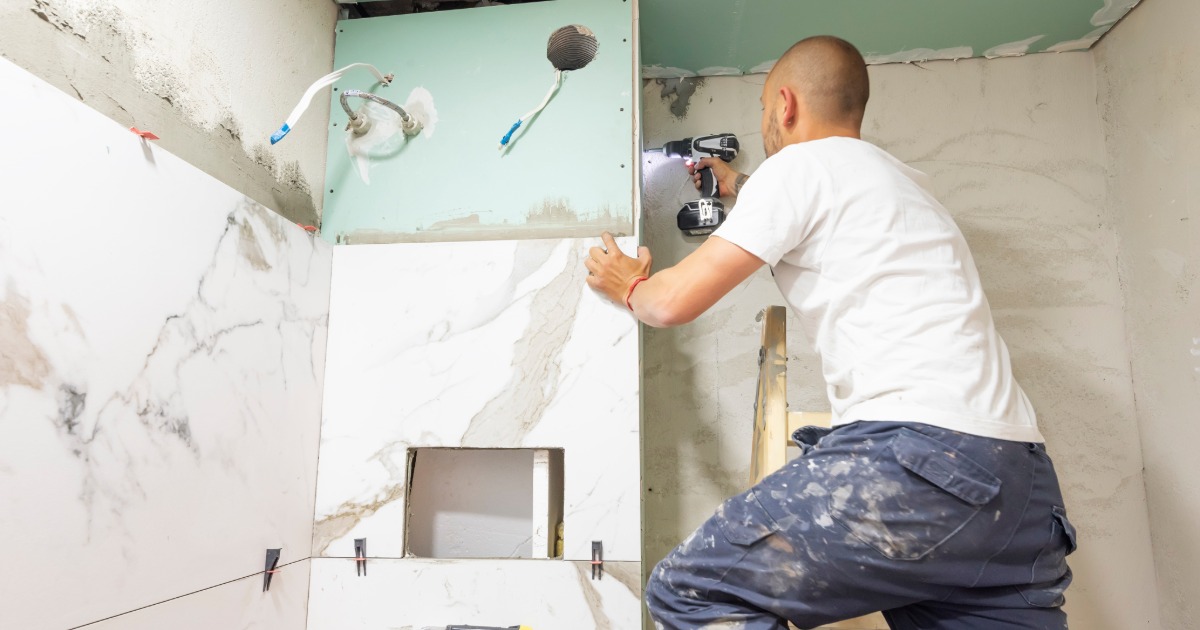
Bathrooms often reveal hidden conditions once demolition begins.
Older homes may have outdated plumbing, improper wiring, uneven framing, insufficient ventilation, water damage, subfloor deterioration, or previous repairs that need to be corrected before new work can proceed.
Even in newer homes, there may be issues related to moisture management, workmanship, or material wear that are not fully visible until finishes are removed.
These conditions do not always mean a project is off track. They do, however, reinforce why realistic budgeting and careful pre-construction planning are important. Renovation is rarely just about what is seen on the surface.
Older homes may have outdated plumbing, improper wiring, uneven framing, insufficient ventilation, water damage, subfloor deterioration, or previous repairs that need to be corrected before new work can proceed.
Even in newer homes, there may be issues related to moisture management, workmanship, or material wear that are not fully visible until finishes are removed.
These conditions do not always mean a project is off track. They do, however, reinforce why realistic budgeting and careful pre-construction planning are important. Renovation is rarely just about what is seen on the surface.
Waterproofing, Ventilation, and Construction Quality Should Never Be an Afterthought
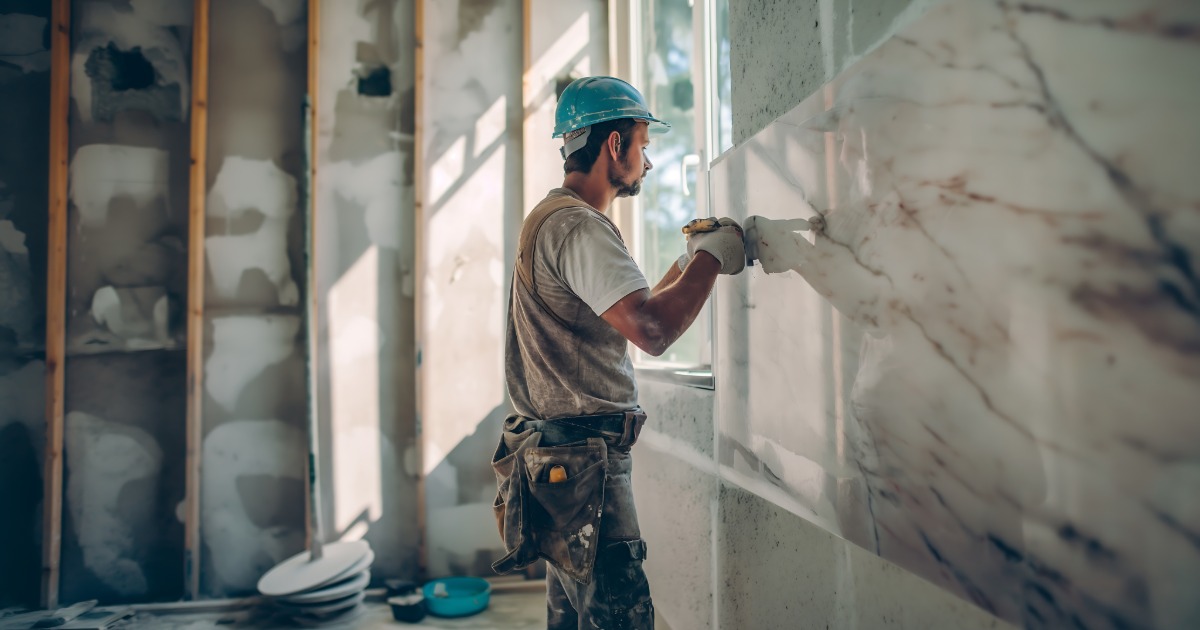
A bathroom is one of the most demanding environments in a home. Moisture, humidity, and daily use put constant pressure on the room’s materials and systems.
That is why durable construction details matter just as much as visible finishes.
Waterproofing systems behind tile, proper shower preparation, quality installation, ventilation planning, and thoughtful detailing all contribute to how the bathroom performs over time. These are not the most visually noticeable parts of the project, but they are some of the most important.
A lower initial budget can become more expensive later if corners are cut in the areas homeowners do not immediately see.
That is why durable construction details matter just as much as visible finishes.
Waterproofing systems behind tile, proper shower preparation, quality installation, ventilation planning, and thoughtful detailing all contribute to how the bathroom performs over time. These are not the most visually noticeable parts of the project, but they are some of the most important.
A lower initial budget can become more expensive later if corners are cut in the areas homeowners do not immediately see.
Custom Features and Specialty Additions Can Shift Cost
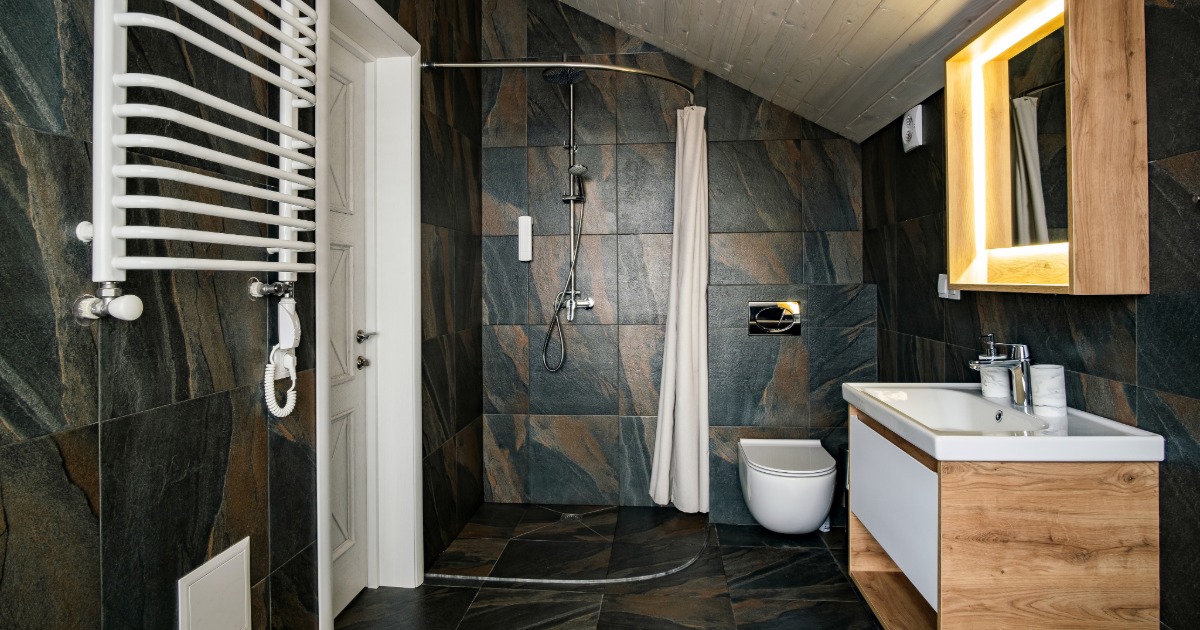
Some bathrooms include features that add comfort and convenience but also affect budget. Examples may include heated flooring (nice!), built-in benches, double vanities, freestanding tubs, accessibility features, and many more.
These elements are not inherently necessary for every project. The key is understanding which upgrades meaningfully improve how the room functions for the homeowner, and which ones may be better treated as optional.
These elements are not inherently necessary for every project. The key is understanding which upgrades meaningfully improve how the room functions for the homeowner, and which ones may be better treated as optional.
Labor and Coordination Are a Meaningful Part of the Investment

Bathroom renovations typically involve multiple trades working in a relatively compact area. Depending on the project, that may include demolition, carpentry, plumbing, electrical, tile installation, drywall, painting, cabinetry, glass, and finish work.
Because these phases must happen in the right order, coordination plays a major role in both timeline and cost. The tighter and more complex the space, the more important that sequencing becomes.
This is another reason bathroom renovations benefit from a structured process. A clear scope, coordinated selections, and defined construction plan help reduce avoidable delays and mid-project decision fatigue.
Because these phases must happen in the right order, coordination plays a major role in both timeline and cost. The tighter and more complex the space, the more important that sequencing becomes.
This is another reason bathroom renovations benefit from a structured process. A clear scope, coordinated selections, and defined construction plan help reduce avoidable delays and mid-project decision fatigue.
A Better Approach to Bathroom Renovation Budgeting
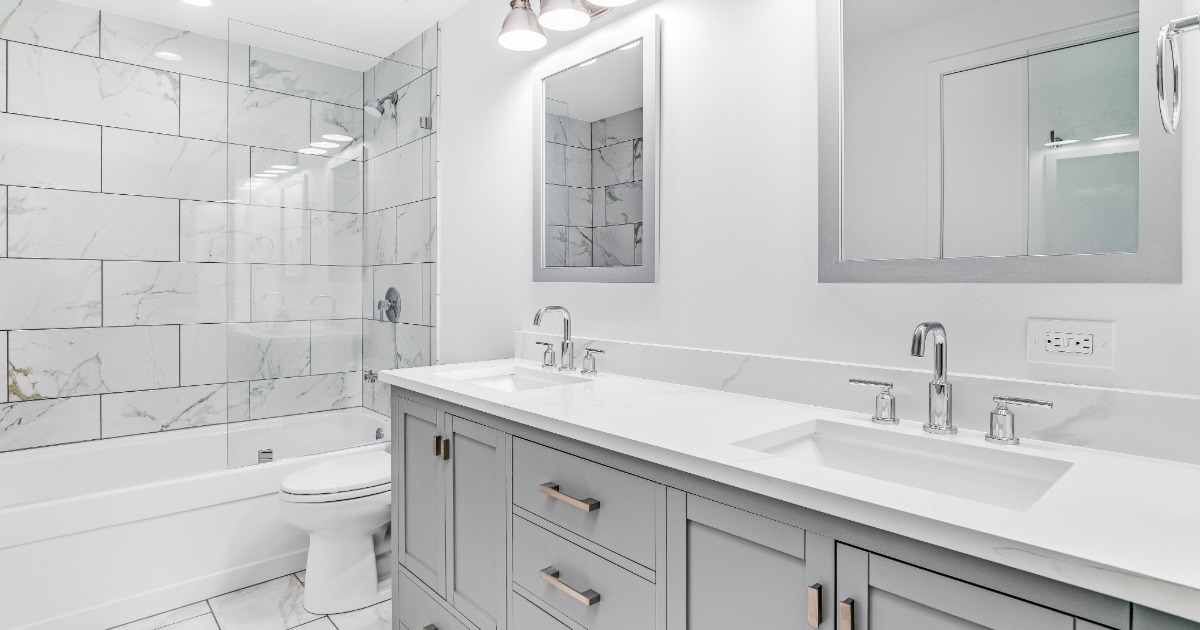
The most helpful way to approach bathroom renovation costs is not to search for a one-size-fits-all number. It is to build clarity around the project before work begins.
That means defining scope, understanding material priorities, identifying likely construction considerations, and making key decisions early. When that work is done well, homeowners are in a much stronger position to evaluate options, plan realistically, and move forward with confidence.
A bathroom renovation is not simply a collection of products and labor lines. It is a coordinated project that should support the way the home functions and the way the homeowner wants to live in it.
When planned carefully, the result is not only a better bathroom, but a more predictable renovation experience.
That means defining scope, understanding material priorities, identifying likely construction considerations, and making key decisions early. When that work is done well, homeowners are in a much stronger position to evaluate options, plan realistically, and move forward with confidence.
A bathroom renovation is not simply a collection of products and labor lines. It is a coordinated project that should support the way the home functions and the way the homeowner wants to live in it.
When planned carefully, the result is not only a better bathroom, but a more predictable renovation experience.
Looking for some help?
If you are planning a bathroom renovation and want clearer guidance from the start, we would be glad to begin the conversation. We take a planning-first approach that helps homeowners understand the path forward before construction begins.
Whether you already have a defined project in mind or are still working through options, an early conversation can help bring structure to the process and clarify the next step.