
The Renovation Navigator
What Affects the Cost of a Kitchen Renovation?
What Affects the Cost of a Kitchen Renovation?
Kitchen renovations are often one of the most significant investments homeowners make in their home.
They also tend to be one of the most complex. Unlike a simple cosmetic update in one room, a kitchen renovation often affects layout, storage, appliances, electrical, plumbing, lighting, finishes, and the way the home functions day to day. That is why kitchen renovation costs can vary so widely from one project to the next.
The most useful way to think about kitchen renovation cost is not as a fixed number. It is better understood as the result of scope, material selections, layout decisions, construction conditions, and the level of planning done before work begins.
They also tend to be one of the most complex. Unlike a simple cosmetic update in one room, a kitchen renovation often affects layout, storage, appliances, electrical, plumbing, lighting, finishes, and the way the home functions day to day. That is why kitchen renovation costs can vary so widely from one project to the next.
The most useful way to think about kitchen renovation cost is not as a fixed number. It is better understood as the result of scope, material selections, layout decisions, construction conditions, and the level of planning done before work begins.
Why Kitchen Renovation Costs Can Vary So Much

Two kitchens may have a similar footprint and still fall into very different budget ranges.
That is because cost is shaped by more than square footage alone. A kitchen that keeps the existing layout and focuses on surface updates will be very different from one that reworks the floor plan, relocates plumbing, adds custom cabinetry, or includes structural changes.
The role the kitchen plays in the home matters too. For some homeowners, the goal is a cleaner, more updated look. For others, the kitchen is a primary gathering space, cooking space, storage hub, and central part of daily family life. The more the renovation is expected to improve function as well as appearance, the more planning and coordination it often requires.
That is because cost is shaped by more than square footage alone. A kitchen that keeps the existing layout and focuses on surface updates will be very different from one that reworks the floor plan, relocates plumbing, adds custom cabinetry, or includes structural changes.
The role the kitchen plays in the home matters too. For some homeowners, the goal is a cleaner, more updated look. For others, the kitchen is a primary gathering space, cooking space, storage hub, and central part of daily family life. The more the renovation is expected to improve function as well as appearance, the more planning and coordination it often requires.
Scope Has a Major Influence on Cost
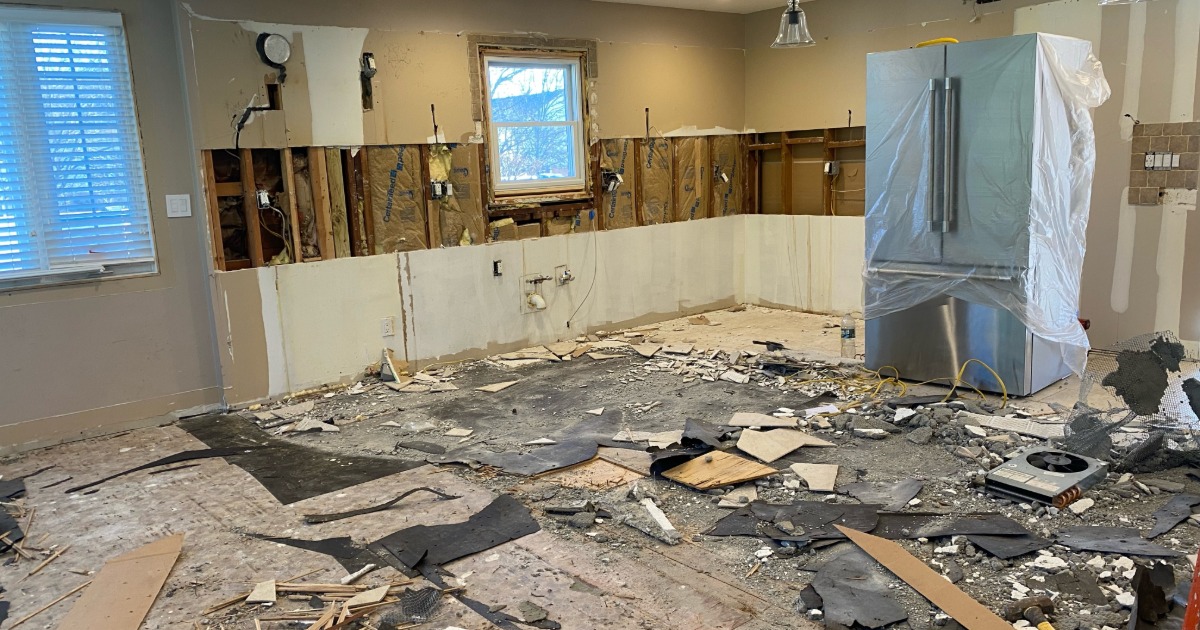
One of the largest cost drivers in a kitchen renovation is scope.
Some kitchen projects focus on updates to visible finishes while leaving the footprint largely unchanged. Others involve substantial changes to layout, storage, traffic flow, and infrastructure. As scope expands, so do the number of moving parts involved in design, coordination, and construction.
In general, kitchen renovation scope often falls into a few broad categories:
Some kitchen projects focus on updates to visible finishes while leaving the footprint largely unchanged. Others involve substantial changes to layout, storage, traffic flow, and infrastructure. As scope expands, so do the number of moving parts involved in design, coordination, and construction.
In general, kitchen renovation scope often falls into a few broad categories:
Cosmetic Kitchen Updates
These projects focus primarily on visible improvements. Examples may include:
- Cabinet painting or refacing
- New countertops
- New backsplash
- Lighting replacement
- New flooring
- Appliance replacement without major layout changes
This type of project can improve appearance significantly, but it typically involves less disruption than a full renovation.
Partial Kitchen Renovations
These projects often combine finish upgrades with selective functional improvements. Examples may include:
- Replacing cabinets in the same layout
- Upgrading countertops and backsplash
- Adding a new island or peninsula where possible
- Updating appliances
- Improving storage solutions
This range is common when homeowners want a more complete update without fully reworking the space.
Full Kitchen Renovations
- New layout
- Cabinetry replacement
- Appliance relocation
- Plumbing and electrical relocation
- Structural changes
- Expanded prep and storage areas
- Island redesign
- Lighting redesign
- New flooring throughout
- Lighting redesign
These projects are more involved, but they also provide the greatest opportunity to improve how the kitchen functions long term.
Cabinetry Is Often One of the Largest Budget Factors
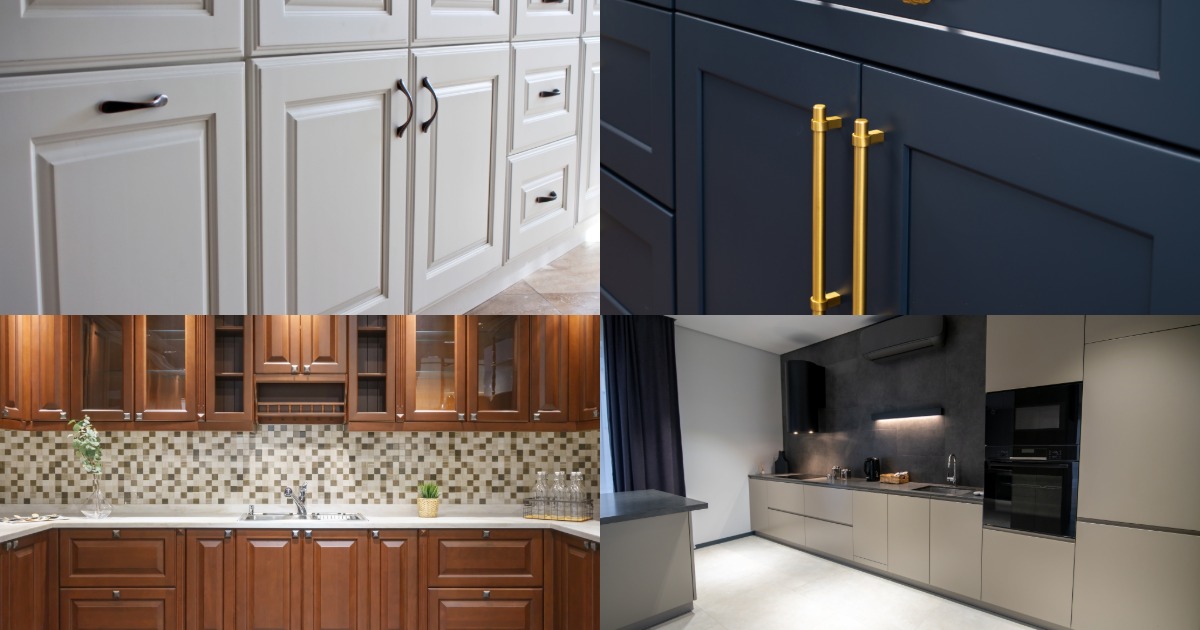
Cabinetry is often one of the most important cost components in a kitchen renovation.
That is partly because cabinets take up a large visual and functional role in the room, but also because the price range can vary significantly depending on construction type, finish, customization, storage features, and installation complexity.
The difference between stock, semi-custom, and custom cabinetry can affect not only cost, but also how well the kitchen is tailored to the space and the homeowner’s priorities. Because cabinetry plays such a central role, it is often one of the first places where priorities and tradeoffs become clear.
That is partly because cabinets take up a large visual and functional role in the room, but also because the price range can vary significantly depending on construction type, finish, customization, storage features, and installation complexity.
The difference between stock, semi-custom, and custom cabinetry can affect not only cost, but also how well the kitchen is tailored to the space and the homeowner’s priorities. Because cabinetry plays such a central role, it is often one of the first places where priorities and tradeoffs become clear.
Material Selections Shape Both Budget and Overall Feel

Material selections can shift the budget more than many homeowners expect.
Countertops are a good example. There can be meaningful differences between laminate, butcher block, quartz, natural stone, and other surfaces, but the cost question is not only about the material itself. Edge profiles, slab size, cutouts, seam placement, and installation requirements all play a role.
The same is true across the kitchen. Backsplash tile can range from simple to highly detailed. Flooring selections vary in material cost and installation demands. Hardware and fixture packages can add up quickly. Sink and faucet choices can affect both look and installation. Appliance selections can influence cabinetry, electrical, and ventilation needs.
Homeowners do not need to choose the most expensive finish in every category. What matters is selecting materials intentionally and understanding where premium upgrades will have the most impact.
Countertops are a good example. There can be meaningful differences between laminate, butcher block, quartz, natural stone, and other surfaces, but the cost question is not only about the material itself. Edge profiles, slab size, cutouts, seam placement, and installation requirements all play a role.
The same is true across the kitchen. Backsplash tile can range from simple to highly detailed. Flooring selections vary in material cost and installation demands. Hardware and fixture packages can add up quickly. Sink and faucet choices can affect both look and installation. Appliance selections can influence cabinetry, electrical, and ventilation needs.
Homeowners do not need to choose the most expensive finish in every category. What matters is selecting materials intentionally and understanding where premium upgrades will have the most impact.
Layout Changes Increase Complexity Quickly
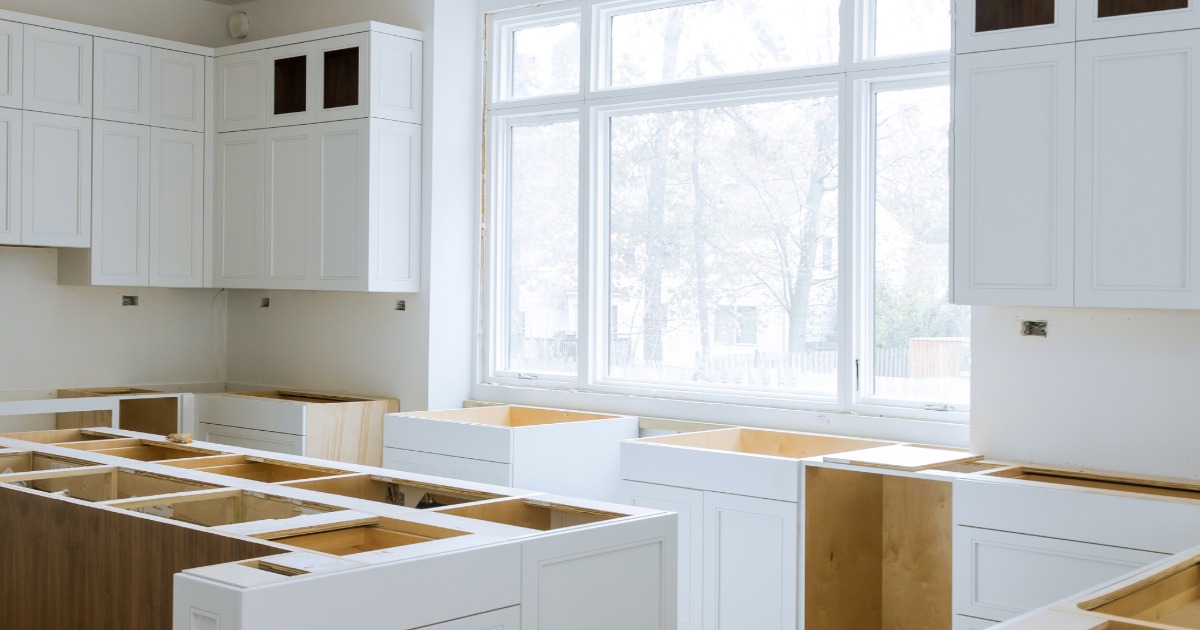
If the existing kitchen layout works reasonably well, keeping plumbing, gas, and major appliance locations in place can help manage cost.
Once the layout changes, complexity tends to rise. Moving a sink, shifting an appliance wall, enlarging an opening, reworking an island, or removing a wall can affect plumbing, electrical, framing, flooring, ventilation, and sometimes structural work.
Sometimes these changes are well worth the investment because they improve workflow, storage, sightlines, and the overall use of the space. In other cases, the better decision is to preserve the footprint and put the budget toward cabinetry quality, lighting, finishes, or better internal organization.
This is where thoughtful planning becomes essential. A kitchen should not just look better after renovation. It should function better too.
Once the layout changes, complexity tends to rise. Moving a sink, shifting an appliance wall, enlarging an opening, reworking an island, or removing a wall can affect plumbing, electrical, framing, flooring, ventilation, and sometimes structural work.
Sometimes these changes are well worth the investment because they improve workflow, storage, sightlines, and the overall use of the space. In other cases, the better decision is to preserve the footprint and put the budget toward cabinetry quality, lighting, finishes, or better internal organization.
This is where thoughtful planning becomes essential. A kitchen should not just look better after renovation. It should function better too.
Appliances and Mechanical Considerations Can Affect the Budget
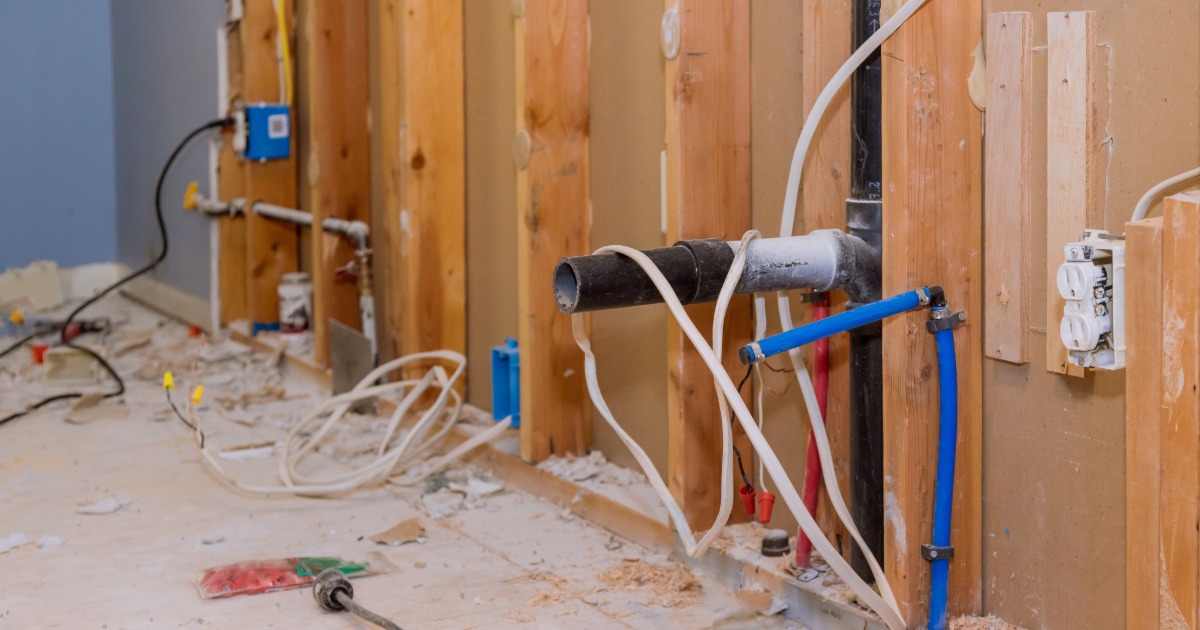
Existing conditions are another reason kitchen renovation budgets can vary.
Once demolition begins, older homes may reveal outdated wiring, plumbing issues, uneven floors, hidden damage, poor previous workmanship, or framing conditions that need correction before new finishes can be installed properly.
Even in homes that appear well maintained, there may be underlying issues that only become visible once cabinets, flooring, or wall surfaces are removed.
These discoveries do not automatically mean the project is going off course, but they do reinforce why realistic budgeting and early planning matter. Kitchens often involve more behind-the-scenes work than homeowners expect.
Once demolition begins, older homes may reveal outdated wiring, plumbing issues, uneven floors, hidden damage, poor previous workmanship, or framing conditions that need correction before new finishes can be installed properly.
Even in homes that appear well maintained, there may be underlying issues that only become visible once cabinets, flooring, or wall surfaces are removed.
These discoveries do not automatically mean the project is going off course, but they do reinforce why realistic budgeting and early planning matter. Kitchens often involve more behind-the-scenes work than homeowners expect.
Lighting, Storage, and Functionality Should Be Planned Early
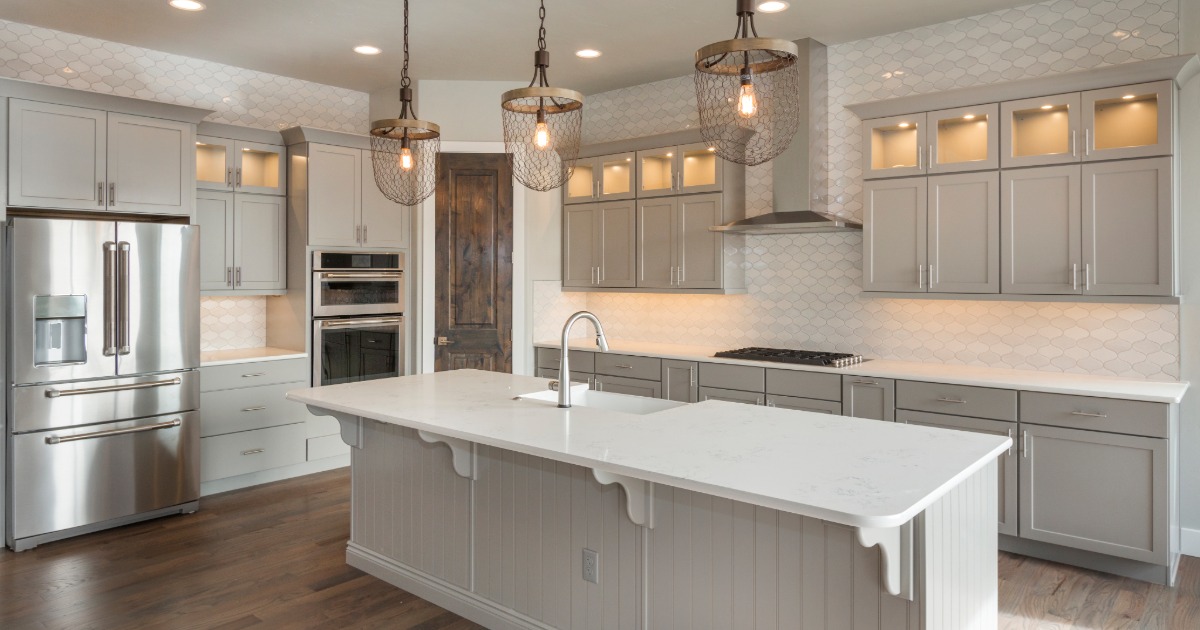
A successful kitchen renovation is not only about finishes. It is also about how the room works.
Lighting, storage, and day-to-day usability have a major impact on whether the finished space feels truly improved. That includes questions like:
Is there enough task lighting where food is prepared?
Does storage match how the homeowner actually cooks and lives?
Are drawers, cabinets, and pantry areas designed intentionally?
Is there enough counter space in the right locations?
Does the island improve workflow or simply take up room?
These are the kinds of decisions that shape long-term satisfaction, and they are best addressed before construction begins.
Lighting, storage, and day-to-day usability have a major impact on whether the finished space feels truly improved. That includes questions like:
Is there enough task lighting where food is prepared?
Does storage match how the homeowner actually cooks and lives?
Are drawers, cabinets, and pantry areas designed intentionally?
Is there enough counter space in the right locations?
Does the island improve workflow or simply take up room?
These are the kinds of decisions that shape long-term satisfaction, and they are best addressed before construction begins.
Labor and Coordination Are a Significant Part of the Investment

Kitchen renovations involve a high level of coordination.
Depending on the project, that may include demolition, framing, plumbing, electrical, flooring, cabinetry, countertop fabrication, tile installation, appliance installation, painting, and finish carpentry. These phases need to happen in the right sequence, often with little room for error.
Because the kitchen is one of the most used spaces in a home, timing and coordination matter not only for the project itself but for the homeowner’s day-to-day life during construction.
A clear plan, aligned selections, and an organized process can help reduce unnecessary delays and decision fatigue.
Depending on the project, that may include demolition, framing, plumbing, electrical, flooring, cabinetry, countertop fabrication, tile installation, appliance installation, painting, and finish carpentry. These phases need to happen in the right sequence, often with little room for error.
Because the kitchen is one of the most used spaces in a home, timing and coordination matter not only for the project itself but for the homeowner’s day-to-day life during construction.
A clear plan, aligned selections, and an organized process can help reduce unnecessary delays and decision fatigue.
Questions Homeowners Should Consider Before Starting

The best way to think about kitchen renovation cost is not to search for a universal number or a rough average without context.
A more useful approach is to define the project carefully before construction begins. That means identifying the real scope of work, establishing priorities, understanding likely cost drivers, and making important decisions early.
A kitchen renovation is not simply a collection of products and labor. It is a coordinated process that affects how the home functions every day. When approached with clear planning and realistic expectations, homeowners are in a much better position to make informed decisions and move forward with confidence.
A more useful approach is to define the project carefully before construction begins. That means identifying the real scope of work, establishing priorities, understanding likely cost drivers, and making important decisions early.
A kitchen renovation is not simply a collection of products and labor. It is a coordinated process that affects how the home functions every day. When approached with clear planning and realistic expectations, homeowners are in a much better position to make informed decisions and move forward with confidence.
Looking for some help?
If you are planning a bathroom renovation and want clearer guidance from the start, we would be glad to begin the conversation. We take a planning-first approach that helps homeowners understand the path forward before construction begins.
Whether you already have a defined project in mind or are still working through options, an early conversation can help bring structure to the process and clarify the next step.